Dental Healthcare Blog
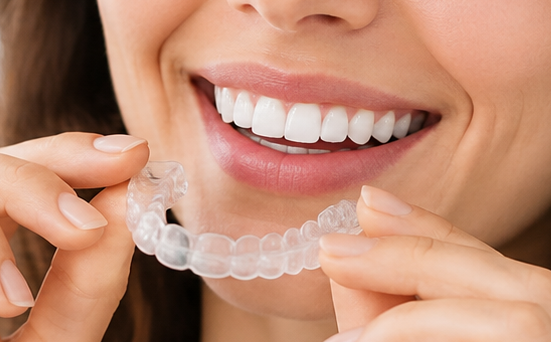 Misaligned Teeth Are More Than a Cosmetic Concern
Learn More
Misaligned Teeth Are More Than a Cosmetic Concern
Learn More
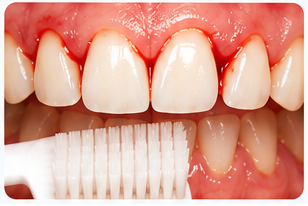 5 Warning Signs of Gum Disease
Learn More
5 Warning Signs of Gum Disease
Learn More
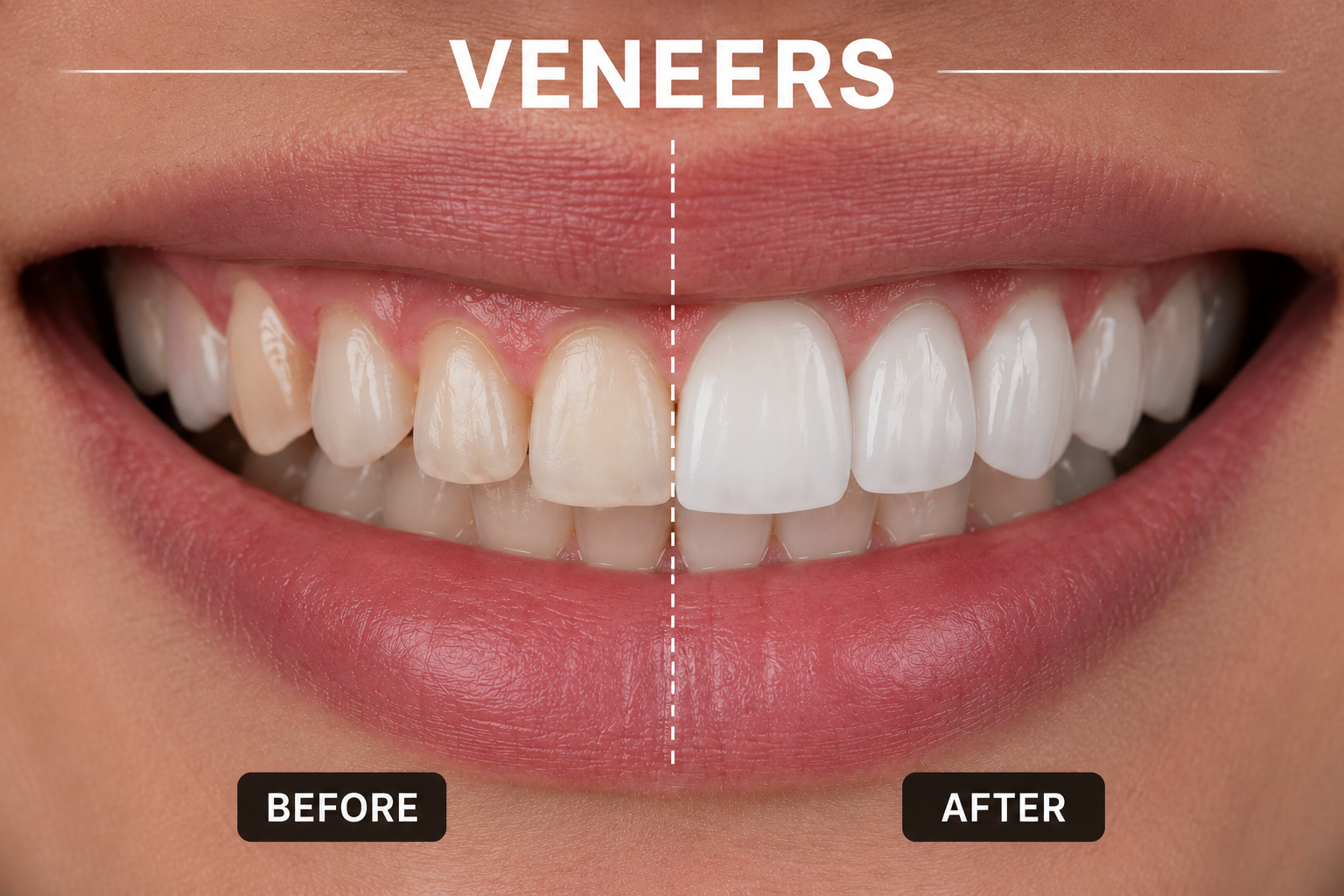 Whitening, Bonding, or Veneers: Which Is Right for You?
Learn More
Whitening, Bonding, or Veneers: Which Is Right for You?
Learn More
 Why Regular Dental Visits Matter
Learn More
Why Regular Dental Visits Matter
Learn More
 Why Do Dental X-rays Matter? Are They Safe?
Learn More
Why Do Dental X-rays Matter? Are They Safe?
Learn More
 What Is Cosmetic Dentistry? It Is More Than Whitening Teeth
Learn More
What Is Cosmetic Dentistry? It Is More Than Whitening Teeth
Learn More
 Child Dentistry: What Parents Should Know Before the First Visit
Learn More
Child Dentistry: What Parents Should Know Before the First Visit
Learn More
 Poor Planning Can Put a Dental Implant on the Path to Failure
Learn More
Poor Planning Can Put a Dental Implant on the Path to Failure
Learn More
 Choosing Dental Implants: Look Beyond Price and Brand
Learn More
Choosing Dental Implants: Look Beyond Price and Brand
Learn More
Misaligned Teeth Are More Than a Cosmetic Concern
Some teeth are slowly being damaged by an unhealthy bite.
Many people think, "My teeth are not perfectly straight, but I can still eat and nothing hurts, so it should be fine."
In reality, dental health is not measured only by pain. Your teeth bite and chew thousands of times every day. If the upper and lower teeth do not meet properly, some teeth may carry too much force, some may not touch at all, and others may gradually be pushed out of position.
This damage usually develops slowly. At first you may notice mild crowding, uneven edges, or food getting stuck. Years later, it may become worn-down teeth, chips, gum recession, loose teeth, or the need for crowns, root canals, or extractions.
Straightening teeth is not only about a better-looking smile. It can also help teeth function longer. |
Common Bite Problems
1. Front teeth getting shorter: a deep bite may be slowly wearing them downNormally, the upper front teeth should lightly cover the lower front teeth. But some people have a bite that overlaps too deeply, or front teeth that tilt inward. Each time they close, swallow, or chew, the upper and lower front teeth may rub against each other repeatedly. • Front biting edges become flatter and shorter • Small chips or cracks may appear along the edges • Bonding, veneers, or crowns may chip or break more easily | 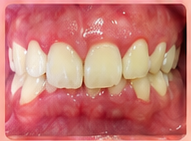 |
2. Upper front teeth becoming more protrusive: lower front teeth may be pushing them outward every daySome patients have protrusive upper front teeth along with a deep bite. When the mouth closes, the lower front teeth may bite against the back side of the upper front teeth, or even the gum behind them. Over time, this can gradually push the upper front teeth farther outward. • Spaces that were not there before may slowly appear • Upper front teeth may tilt farther outward • If periodontal bone loss is already present, teeth are more likely to shift or loosen | 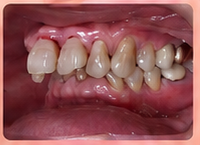 |
3. Upper and lower front teeth meet edge-to-edge: the biting edges can wear each other like bladesIf the upper and lower front teeth meet directly instead of lightly overlapping, every bite and jaw movement can make the teeth rub against each other continuously. • Front edges become flatter and teeth become shorter • Corners chip more easily • Bonding or veneers may come off repeatedly | 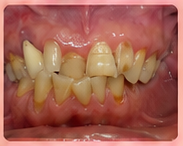 |
4. Reverse bite or crossbite: a few teeth may carry too much forceNormally, the upper teeth should bite outside the lower teeth. If some upper teeth bite inside the lower teeth, or if an underbite is present, the direction of force on the teeth may be abnormal. • One side may show more severe wear • Gum recession and tooth sensitivity may develop • Over time, individual teeth may become overloaded | 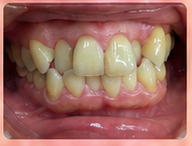 |
5. Crowded teeth: brushing the area does not always mean it is truly cleanWhen teeth are crowded, they may overlap, rotate, or sit too far inside or outside the arch. Toothbrush bristles may not fully reach these areas, and floss may not pass through correctly. • Gums often bleed when brushing • Gums may become red or swollen, and tartar may build up • Cavities and food trapping are more likely between teeth | 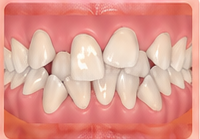 |
Other Common Clues
6. Frequent food trapping may not be a food problem. It may be a tooth-position problem.
Food may repeatedly get stuck when teeth are rotated, tilted, uneven, or do not contact each other properly. The food is only the visible part of the problem; the underlying cause may be the position and shape of the teeth.
7. Front teeth that do not touch may make the back teeth increasingly tired.
If the front teeth do not share chewing forces, the back teeth may take more pressure over time. This can increase wear, stress on fillings and crowns, and chewing fatigue.
8. A missing tooth left untreated can allow other teeth to move slowly.
Neighboring teeth may tip into the empty space, and opposing teeth may over-erupt. These changes can make the bite less stable and future treatment more complicated.
9. Why do fillings, veneers, and crowns keep breaking repeatedly?
When restorations keep chipping or coming loose, the problem may not be the material alone. A tooth may be hitting first, carrying too much force, or working against an unstable bite.
What can happen if bite problems continue?
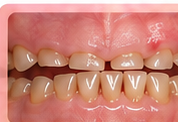 | 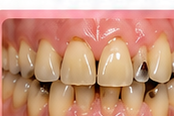 | 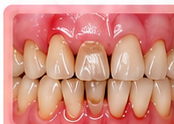 |
Front teeth can become severely wornTeeth may become shorter, bite height may decrease, chewing can become less efficient, and future restoration may become more complex. | Upper front teeth can be pushed outwardOngoing bite pressure may make the front teeth look more protrusive, with gum recession, looseness, and a higher risk of needing more advanced treatment later. | Crowding increases cavity and gum-disease riskCrowded areas are harder to clean, making cavities between teeth, gum inflammation, and periodontal damage more likely. |
Why do many bite problems not hurt at first?
Many bite problems do not cause pain in the early stage. You may only notice mild crowding, occasional food trapping, or a tooth that seems to hit first.
These changes are often reminders from the teeth. By the time teeth become obviously loose, chipped, or need extensive repair, the problem has often been developing for a long time.
If you notice teeth getting shorter, becoming more protrusive, trapping food frequently, or if fillings and crowns keep breaking, it is a good idea to have a complete tooth and bite evaluation. |
Invisalign is not just about straightening teeth
Adult orthodontic treatment is not only about making every tooth look straight. More importantly, it can make teeth easier to clean, distribute bite forces more evenly, and reduce the risk of future wear, chipping, and looseness.
Not every alignment problem requires orthodontic treatment, and not every patient needs complex care. A dentist should evaluate tooth wear, gum and bone support, missing teeth, bite relationships, and your treatment goals before recommending a plan.
Being able to eat normally now does not always mean the teeth are not being slowly damaged. Earlier detection often means smaller, simpler treatment later.
Straighter teeth can make your smile more confident. A balanced bite helps teeth work more comfortably and last longer.
5 Warning Signs of Gum Disease
A disease that may not hurt, but can quietly loosen teeth.
Many people think, “If my teeth do not hurt, there probably is not a big problem.” But the most dangerous part of gum disease is that the early stage often has no obvious pain. |
Your teeth may still look intact and cavity-free while the gums and bone supporting them are slowly being lost.
Some patients only realize something is wrong one day when they suddenly notice, “Why is this tooth loose?” or “My tooth looks fine, so why does the dentist say it may not be savable?”
In reality, teeth usually do not fail suddenly. The bone around the teeth may have been shrinking for many years without obvious pain.
1 | Frequent bleeding when brushingMany people think they are simply brushing too hard or that their gums are sensitive. Healthy gums usually should not bleed often. Frequent bleeding may mean the gums are already inflamed. Bleeding gums are not a small issue. They are one of the most common early warning signs of gum disease. | 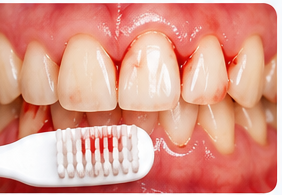 |
2 | Recurring bad breathBad breath is not always caused by gum disease. But if bad breath returns quickly after careful brushing, it may be time to check whether tartar and bacteria are hiding below the gumline. A regular toothbrush cannot remove tartar that has already reached deep under the gums. |  |
3 | Gum recession and teeth that look longerDo your teeth look longer than before? Are roots becoming exposed or spaces between teeth becoming more noticeable? This is not always just a normal part of aging. Gum recession can sometimes mean the supporting tissue around the teeth is decreasing. | 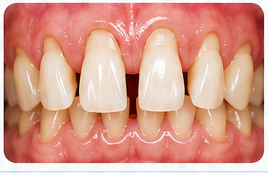 |
4 | Spaces getting larger and teeth shifting“This gap was not this big before.” “My front teeth seem to be moving outward.” When bone support is reduced, teeth may gradually shift under everyday chewing forces. The issue may no longer be only cosmetic. The teeth may be losing stable support. | 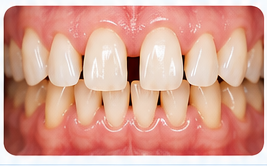 |
5 | Teeth beginning to feel looseIf a tooth moves when you touch it with your tongue, or chewing feels weaker than before, the supporting bone may already be significantly reduced. Loose teeth are not normal aging, and they should not simply be watched and ignored. | 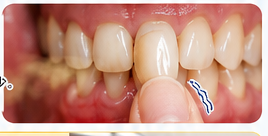 |
Why can gum disease be so serious when it does not hurt?
Gum disease does not mainly damage the visible tooth surface. It damages the foundation that supports the teeth.Teeth are like trees, and the alveolar bone is the soil that holds the roots.Teeth may look complete from the surface, but that does not mean there is enough bone support underneath. When the foundation keeps disappearing, teeth gradually become loose. |  |
Many patients feel that a tooth became loose “all of a sudden,” but the disease may have been developing for years.
Do not wait until teeth become loose to check your gums
The earlier gum disease is found, the better the chance to control inflammation, protect bone, and keep your natural teeth. By the time teeth are obviously loose, the chance of saving them may already be much lower.
Do you have any of these signs?
Bleeding when brushing | Recurring bad breath | Gum recession | Larger spaces | Loose teeth
Even without pain, a periodontal evaluation is recommended.The most dangerous part of gum disease is not the pain. It is that the disease may quietly damage the support around your teeth while you do not feel it. The earlier you check, the better the chance to protect your natural teeth. |
Whitening, Bonding, or Veneers: Which Is Right for You?
Improving your smile does not always mean choosing the most complex treatment. The key is identifying what you truly want to improve.
Best when tooth shape and alignment are acceptable, but the color looks yellow or dull.
Best for small chips, small gaps, or one or two teeth with minor shape concerns.
Best when color, shape, spacing, and wear need to be improved together.
| Your main concern | Option to consider |
|---|---|
| Yellow teeth | Whitening |
| Small chips or small gaps | Bonding |
| Color and shape together | Veneers |
| Crowding or bite problems | Evaluate Invisalign first |
More expensive does not always mean better, and veneers are not right for everyone.
If teeth are crowded or the bite is not stable, correcting alignment first and then using limited cosmetic restoration may preserve more natural tooth structure and create a more natural, durable result.
Why Regular Dental Visits Matter
Disease Progression Flowchart
Many problems do not hurt at first, but they can slowly become more serious.
Hard to notice yourself
Food may feel uncomfortable
Swelling may develop
or even extraction
Gums become inflamed
Many people still feel no pain
Gums begin to shrink
Severe cases may need extraction
The purpose of regular exams and cleanings is to find and treat problems while they are still small.
Do not wait for pain before seeing a dentist.
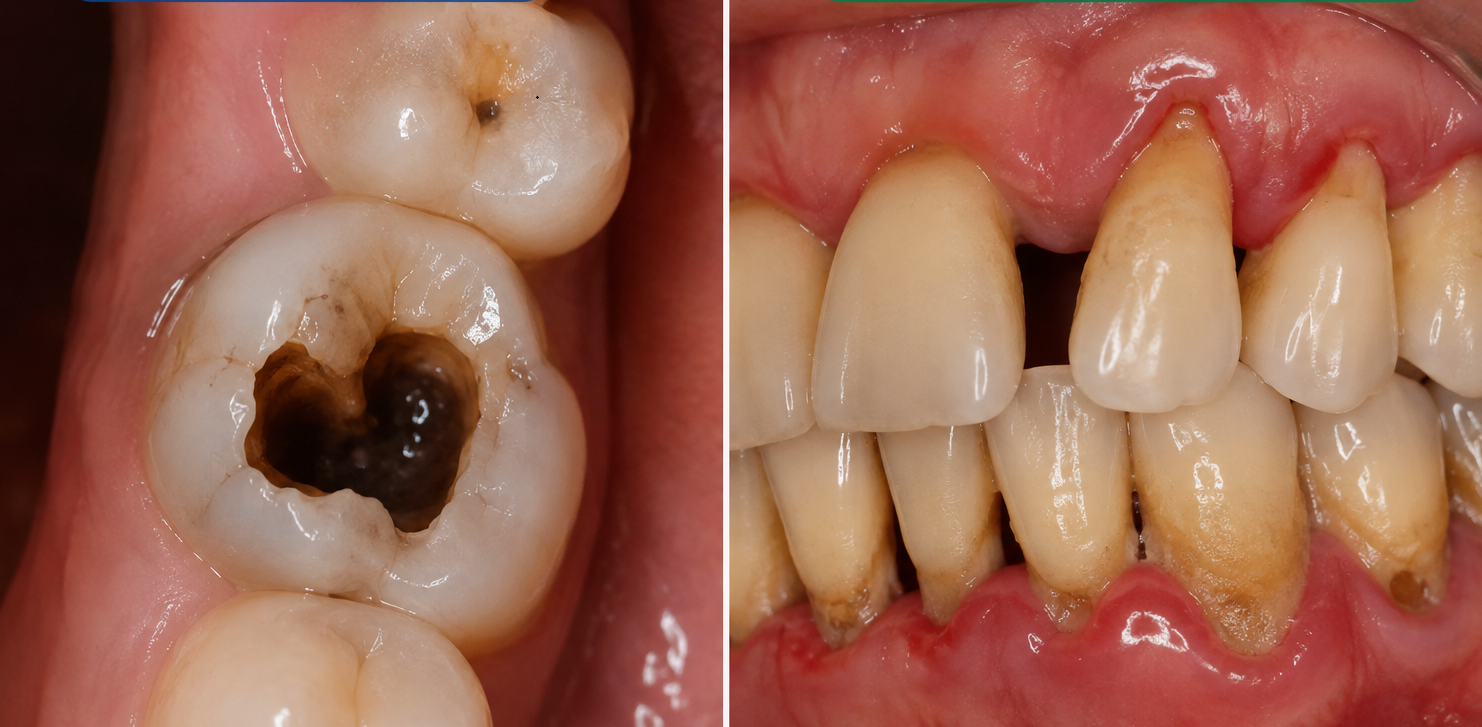
Many people think that if a tooth does not hurt, everything is fine. But many dental problems do not hurt at the beginning. Small cavities, gum inflammation, and even gum disease can develop before you notice anything.
What is the purpose of regular exams?
The goal is simple: find problems early so small problems do not become big ones. Your dentist checks for cavities, gum inflammation, tartar, old fillings, crowns, and other concerns you may not see yourself.
Why are cleanings important?
Tartar cannot be removed by brushing at home. When tartar remains, gums can bleed, become inflamed, and eventually affect the bone around the teeth. Cleanings are not only about making teeth look clean. They help keep the gums healthy.
What regular visits really mean
Regular exams and cleanings are not unnecessary extras. They help catch many larger problems while they are still small, often making treatment simpler, faster, and better for preserving natural teeth.
Regular dental visits help stop many “big problems” while they are still small problems.
Why Do Dental X-rays Matter? Are They Safe?
Many patients ask two important questions: Why do I need X-rays, and are they safe?
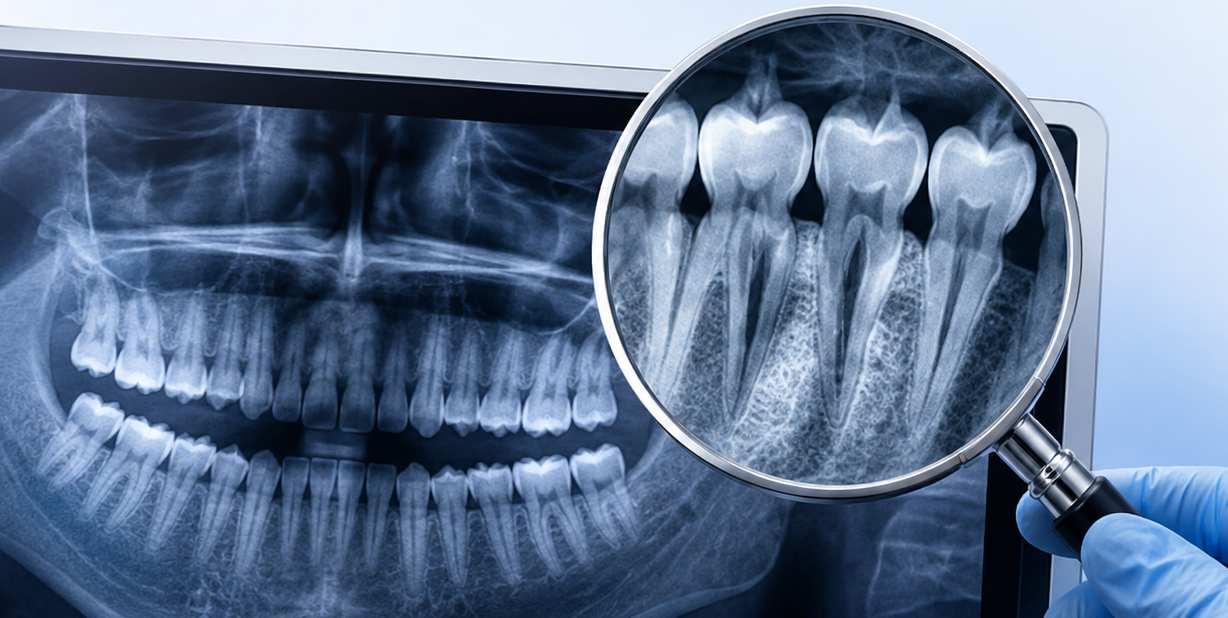
Dental X-rays help your dentist see areas that cannot be seen with the eyes alone.
Why is looking at the teeth not enough?
Some cavities hide between teeth, infections can develop under roots, and gum or bone problems can occur below the surface. A tooth may look fine from the outside while something important is happening underneath.
Do I need X-rays at every visit?
Not always. Whether X-rays are needed depends on your current dental condition, when previous images were taken, and whether new symptoms or risks are present.
Is there radiation?
Yes, but the radiation dose from dental X-rays is usually very low. Modern digital X-rays use short exposure times, and unnecessary repeat images should be avoided.
When are X-rays especially important?
When there is pain, swelling, suspected deep decay, root infection, gum disease, extractions, root canals, or implant planning, X-rays help the dentist make a more accurate diagnosis and treatment plan.
X-rays are not used to “look for trouble.” They help avoid missing hidden problems.
What Is Cosmetic Dentistry? It Is More Than Whitening Teeth
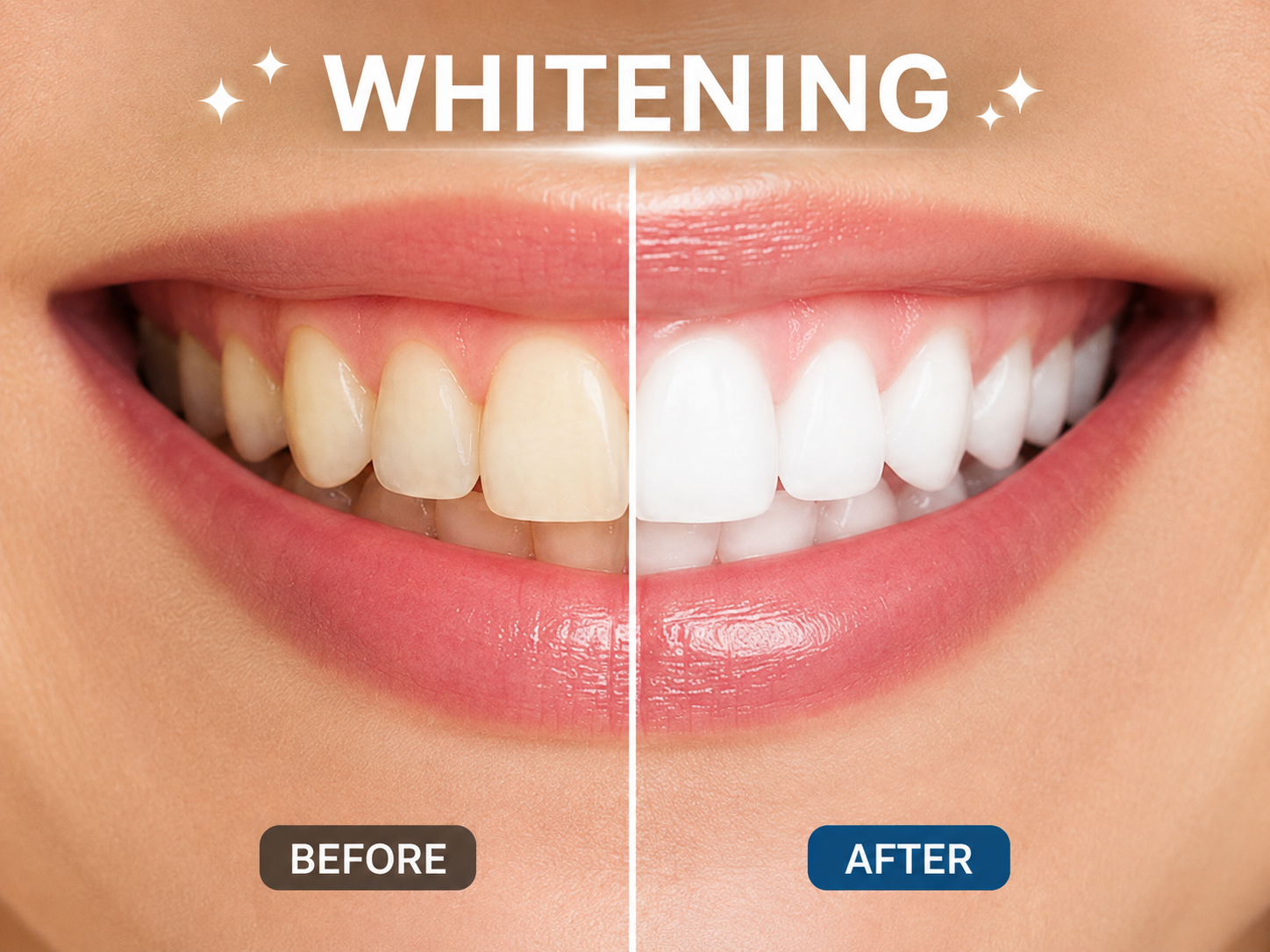
Many people think cosmetic dentistry only means whitening, veneers, or making teeth look pretty. In reality, a good-looking smile depends on three things: tooth alignment, tooth color, and the bite.
Invisalign may be the first step because moving teeth into a better position can make the smile more balanced and easier to clean.
Whitening may be the simplest option when tooth shape and position are already good.
Porcelain veneers may improve color and shape at the same time when teeth are already reasonably aligned.
Some patients need crowns or other restorative treatment to rebuild tooth height, bite, and smile line.
Cosmetic dentistry is not about choosing one procedure.
The real question is what is making the smile look less ideal. Some patients need whitening, some need alignment first, some are good veneer candidates, and others need worn teeth and bite support restored.
Good cosmetic dentistry is not about doing more. It is about doing the right amount.
Child Dentistry: What Parents Should Know Before the First Visit
A child’s first dental visit should feel calm, friendly, and positive.
For many children, the first visit is not about complicated treatment. It is about helping the child become familiar with the dental office, the chair, the sounds, and the people who will care for their teeth.
Your Child’s First Dental Visit
The first dental appointment is usually short and gentle. We check the teeth and gums, look at brushing habits, evaluate cavity risk, and help parents understand what to watch for at home.
We may count the teeth, demonstrate simple cleaning techniques, discuss fluoride needs, and recommend a schedule for future visits based on the child’s age and risk level.
Prevention First
Child dentistry is built around prevention. Good daily brushing, limiting frequent sugar exposure, choosing healthy snacks, and using fluoride appropriately can help protect baby teeth and developing permanent teeth.
Baby teeth matter. They help children chew, speak, smile, and hold space for permanent teeth. Keeping them healthy makes future dental care easier and more comfortable.
Helping Children Feel Comfortable
Parents can help by talking about the dentist in simple, positive words. Reading a story about a dental visit, avoiding scary language, and letting the child know we will explain each step can make the appointment easier.
The goal is to build trust early, prevent problems when possible, and help children grow up comfortable with dental care.
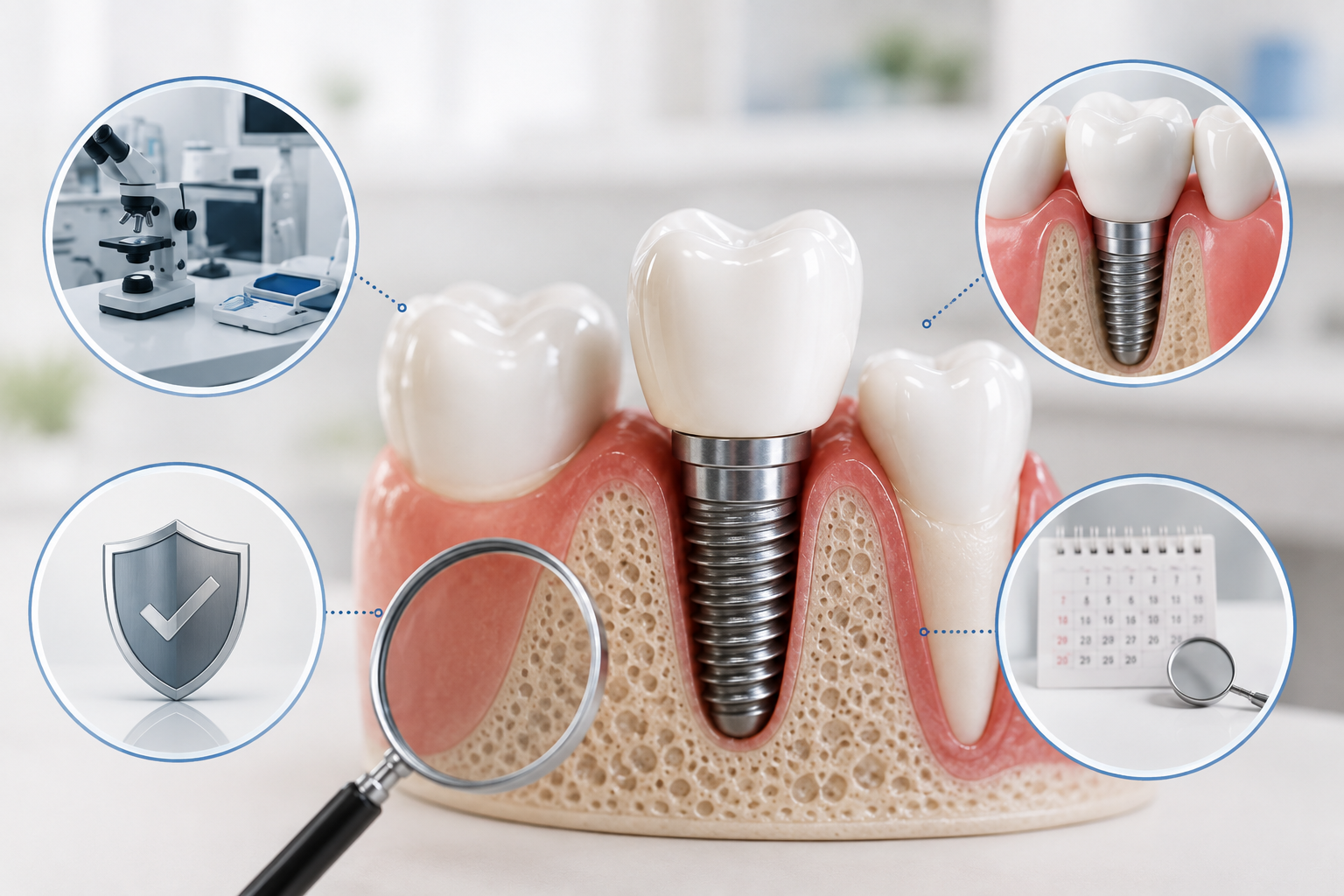
Choosing Dental Implants: Look Beyond Price and Brand
A dental implant is not a standardized product purchase.
These questions are completely understandable.
But dental implants are not like buying a phone or a household appliance. The implant brand is only one part of the overall treatment, and it does not determine the final result by itself.
Even when the same implant brand is used, results can vary greatly depending on the doctor who completes the treatment, including comfort, appearance, longevity, and long-term maintenance.
What truly matters is who completes your treatment
The success of a dental implant is not simply about placing an implant into the bone.
Before treatment begins, the doctor needs to evaluate the patient’s bone volume, gums, missing tooth location, neighboring teeth, and bite relationship before creating an appropriate treatment plan.
Planning before surgery
The position, angle, depth, and size of the implant all need to be planned in advance based on the patient’s individual condition. Good pre-surgical planning is an important foundation for safety, stability, and aesthetics.
Technique during surgery
During implant surgery, the doctor’s experience, judgment, technique, and protection of the bone and gum tissue all affect the final result. A doctor’s experience and skill are often more important than the brand name on the package.
The crown design is just as important
What patients actually use every day is the crown on top of the implant.
Whether the crown feels comfortable and natural, is easy to clean, traps food, and distributes biting forces properly all affects whether the implant can remain stable long term.
A good implant crown should not only look natural, but also harmonize with the surrounding teeth and gums, feel comfortable, be easy to clean, and provide proper bite function.
If the crown design is not appropriate, problems may develop over time, such as food impaction, gum inflammation, cleaning difficulty, loosening, or other complications.
Maintenance is still needed after implant treatment
The implant itself does not get cavities, but the surrounding gums and bone can still become inflamed.
To help an implant remain stable over the long term, patients need to maintain good oral hygiene and receive regular exams and professional cleanings.
Many problems do not cause obvious discomfort in the early stages. Regular follow-up visits help the doctor detect and manage issues early before they become more serious.
Why do implant fees vary between offices?
The cost of a dental implant is not just the price of the implant fixture itself.
The doctor’s experience and technique, pre-treatment examination and planning, surgical complexity, crown material and fabrication, sterilization standards, and follow-up maintenance all affect the overall fee.
For this reason, when comparing dental implants, do not compare only a brand name or a single price number.
A lower price does not always mean better value
A plan that looks less expensive is not necessarily the best fit for you, and it may not mean lower long-term cost.
If the implant position is not ideal, the crown is difficult to clean, or the bite design is not appropriate, repeated adjustments, repairs, or even retreatment may be needed later.
What should you focus on when choosing dental implants?
In addition to learning about the implant brand, you should also consider:
Whether the doctor has experience in implant surgery and crown restoration
Whether your oral condition is carefully evaluated
Whether thorough pre-treatment planning is performed
Whether the treatment plan and risks are clearly explained
Whether the crown is customized for your individual situation
Whether regular follow-up and maintenance are provided after treatment
A good dental implant is the result of complete treatment
A good dental implant is not just a brand, and it is not just one surgery.
It is the result of multiple steps working together.
When choosing dental implants, do not ask only:
“What brand?” “How much?”
It is more important to understand:
Who will treat you?
Was the treatment carefully planned beforehand?
Will the crown be comfortable, natural-looking, and easy to clean?
Will long-term maintenance be provided after treatment?
A successful dental implant should not only replace a missing tooth. It should help restore comfortable chewing, natural aesthetics, and long-term oral health.
Dental Implants
Poor Planning Can Put a Dental Implant on the Path to Failure
When choosing dental implants, brand and price matter ? but the treatment design matters even more.
When patients consider dental implants, two of the first questions are often: ?What brand do you use?? and ?How much is one implant??
Those are reasonable questions. But long-term success often depends on something more important: where the implant is placed, its angle and depth, the surrounding bone and gum tissue, and whether the final crown can be made functional, cleansable, and properly loaded.
An Implant Is Not Successful Simply Because It Is ?In the Bone?
A dental implant is the foundation for the future tooth. If that foundation is placed in an unfavorable position or direction, the final crown may have to compensate for it. Problems may not appear immediately. Some develop gradually over months or years.
Good implant dentistry starts by asking, ?Where should the final tooth be?? ? and then planning where the implant should go.
Real Cases: What Can Go Wrong With Dental Implants?
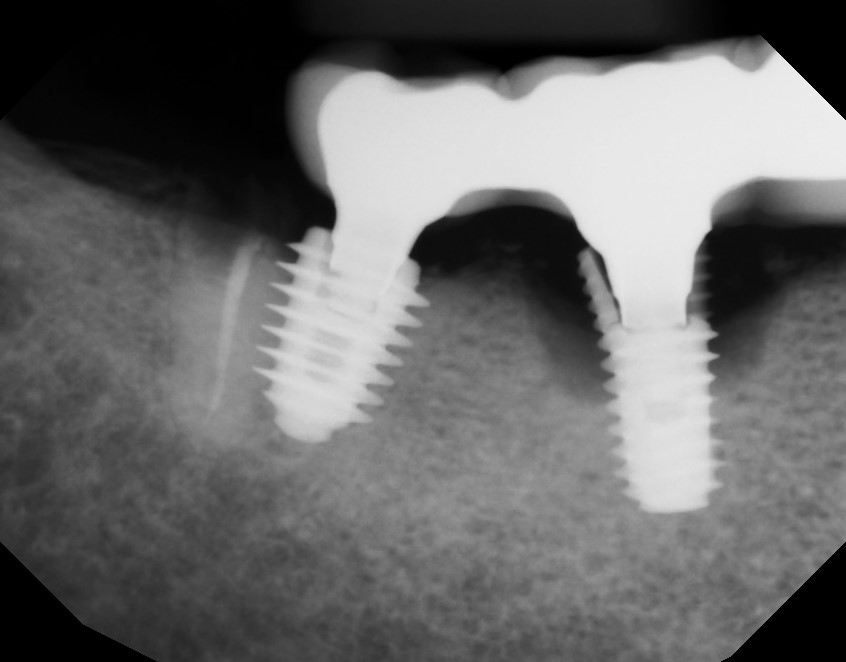
1 | Implant or Implant-Restoration Fracture
Excessive or unfavorable forces and material fatigue can contribute to fracture. When a fracture occurs within the implant-restoration complex ? especially below the gum or within bone ? treatment may involve much more than simply replacing a crown and can require additional procedures.
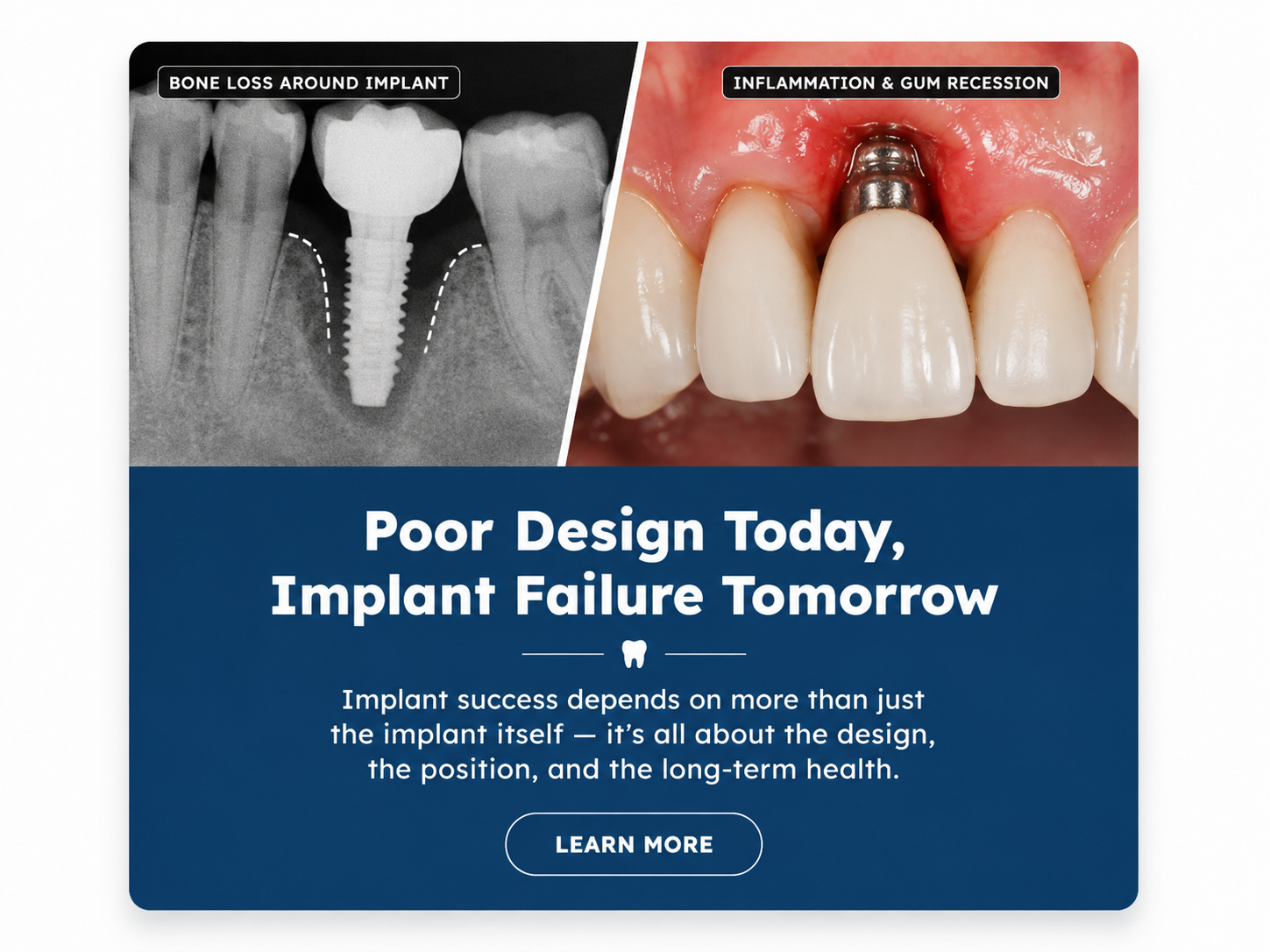
2 | Bone Loss Around an Implant
The bone surrounding an implant is essential for long-term support. Inflammation, difficulty cleaning, unfavorable loading, and other biologic or mechanical factors can contribute to bone loss. A patient may have little or no pain at first even while an X-ray already shows significant loss of supporting bone.

3 | Implant Mobility and Eventual Loss
A loose implant is different from a loose crown or a loose screw. If the implant itself becomes mobile, it has lost stable integration with the surrounding bone and may no longer be salvageable.
4 | An Implant That Can No Longer Be Used
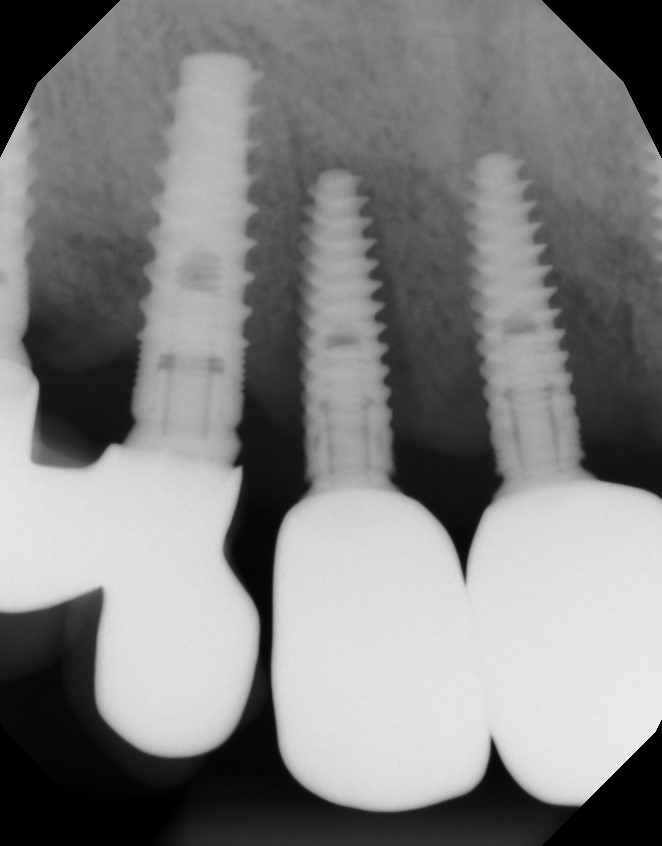
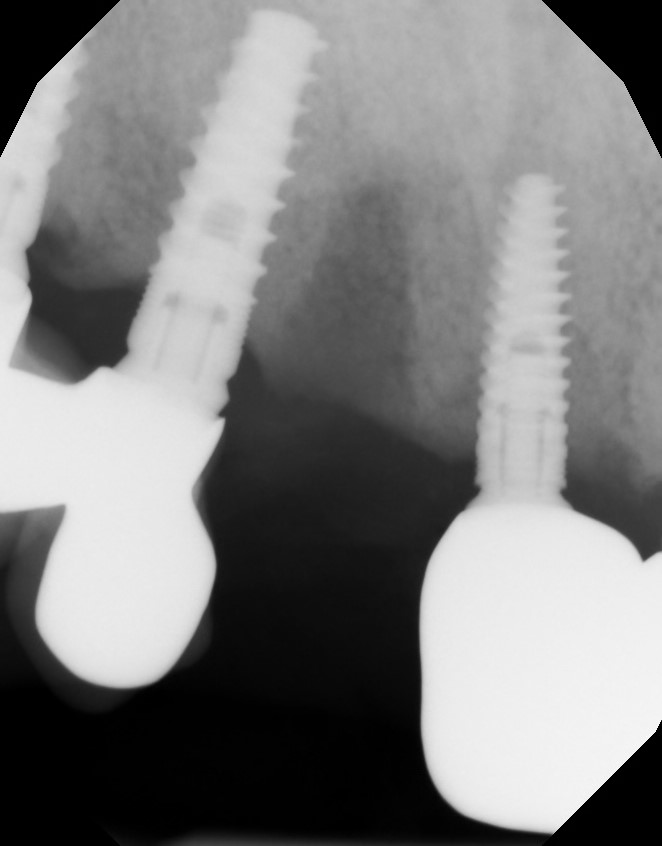
Some implants do not fall out immediately. However, because of unfavorable position, direction, surrounding tissue conditions, or later complications, an implant may no longer be suitable to support the intended restoration. It may need to be reevaluated and, in some cases, removed.
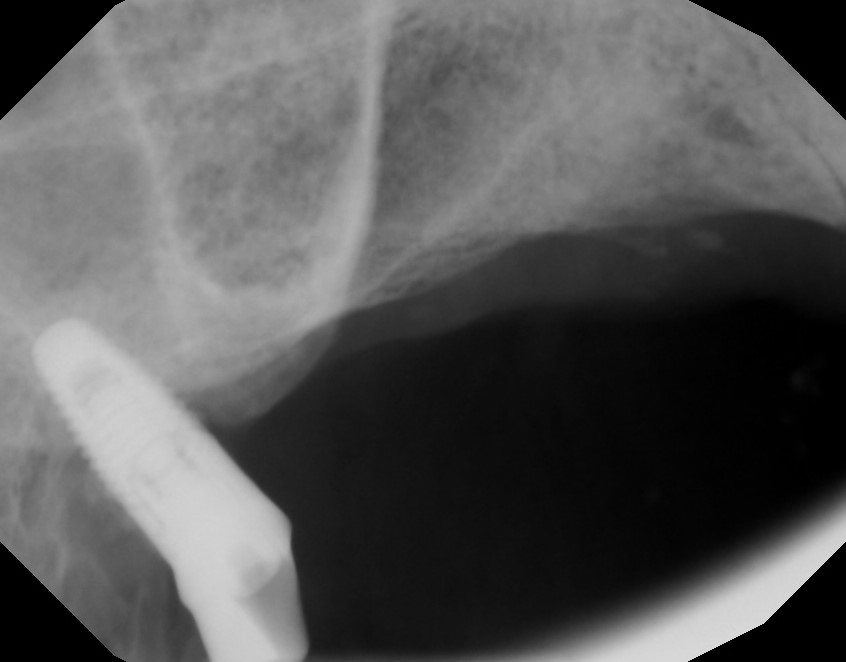
After Failure, It Is Not Always as Simple as ?Take It Out and Put in Another One?
When a failed implant is associated with infection or significant bone loss, treatment may involve several additional steps:
Remove the implant ? Clean the area ? Bone grafting ? Healing ? Reevaluate ? Possible new implant ? More healing ? Final crown
When an implant fails, the patient may be facing much more than simply replacing a tooth. Treatment may include implant removal, debridement, bone grafting, healing, and reevaluation before another implant can even be considered.
Additional Surgery
Removal of the failed implant, treatment of infection, and sometimes bone or soft-tissue grafting.
Additional Treatment Time
A treatment that was expected to be straightforward may turn into months of healing, waiting, and retreatment.
Additional Treatment Cost
Extra surgery, grafting, follow-up care, and a new restoration can significantly increase the total cost.
The cost of failure is often more surgery, more treatment time, and more expense.
Why Brand and Price Should Not Be the Only Things You Compare
A high-quality implant system is important. But the brand itself does not decide the three-dimensional implant position, the shape of the final crown, the bite, the health of the gum tissue, or whether the patient can clean around it. The same implant brand can have very different long-term outcomes depending on treatment planning, surgical position, bone and soft-tissue management, occlusion, and restorative design.
Even an excellent implant cannot compensate for an unfavorable position simply because it is an expensive or well-known brand.
Our Focus: How Will This Tooth Be Doing Years From Now?
Before implant treatment, we consider the planned tooth position, available bone, gum tissue, neighboring teeth, bite, and long-term cleaning access. When appropriate, CBCT imaging, intraoral scanning, digital restorative planning, and surgical guides can help plan the implant around the needs of the final tooth.
Choosing a dental implant is not just choosing a brand.
It is choosing a complete treatment plan.
Patient education note: Implant complications and failures can have multiple causes. Oral hygiene, periodontal health, smoking, systemic health, bite forces, bone and soft-tissue conditions, and other factors may affect long-term outcomes. Each case requires individual clinical and radiographic evaluation.